
The Fragile Work of Adjustment
News of the WorldThis thread follows the costs and partial achievements of adapting to customs Cicada did not choose, from clothing and food to settled domestic life.
increasing Bearing strength in each event
 decreasing
Bearing strength in each eventdecreasingClothing Imposed
Clothing Imposed
An attempted transformation
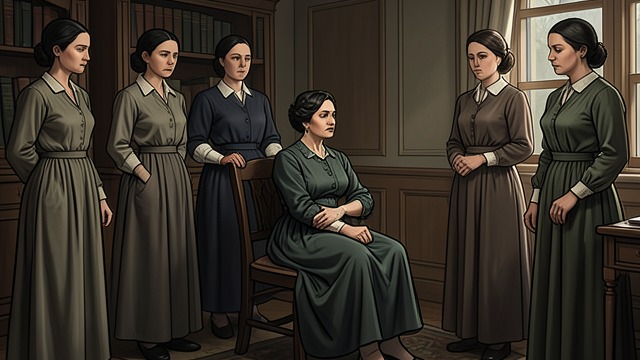
Women in Wichita Falls give Cicada a dress, stockings, shoes, and a nightgown. When she cannot be persuaded to bathe, the women at Lottie’s establishment use force.
Adaptation by pressure
The clothes provide warmth and fit poorly into the life Cicada understands. Their imposition shows how care can become coercive when adults assume outward appearance is the same as recovery.
Food Without Instruments

Food Without Instruments
A meal becomes a lesson
Cicada handles barbecue with her fingers and is upset when Kidd tries to teach her to use a fork. She cannot understand why eating must follow unfamiliar rules.
Pity replaces correction
Kidd recognizes the scale of what has been demanded of her: language, clothing, manners, and family identity. He takes her to a hotel rather than treating the meal as simple misbehavior.
The First English Sentences

The First English Sentences
Language through play
Cicada practices numbers, household words, and short commands while riding beside Kidd. She reshapes the lessons into humorous phrases about horses, food, and the shooting they have survived.
Connection without erasure
Learning English helps her navigate the people around her, but she continues speaking and singing in Kiowa. The new language becomes an added tool rather than a replacement for her identity.
Manners at the Inn
Manners at the Inn
A changed meal
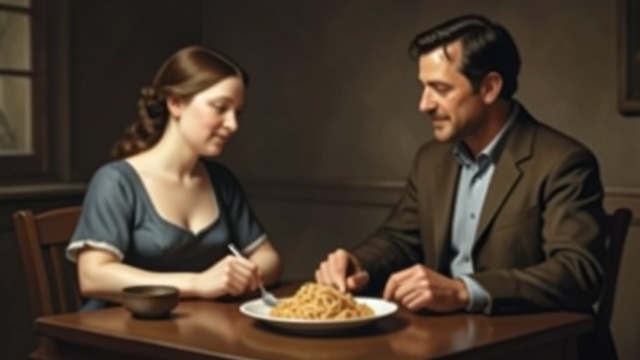
Cicada shares a meal of noodles and mutton with Kidd and carefully uses a fork. Her progress is visible, though she still laughs at the unfamiliar food and spills a noodle.
Learning with affection
Kidd corrects her gently and soon gives up his sternness. The scene contrasts forced instruction with a patient routine in which practice can coexist with play.
The Young Woman at Home
The Young Woman at Home
A practiced public self
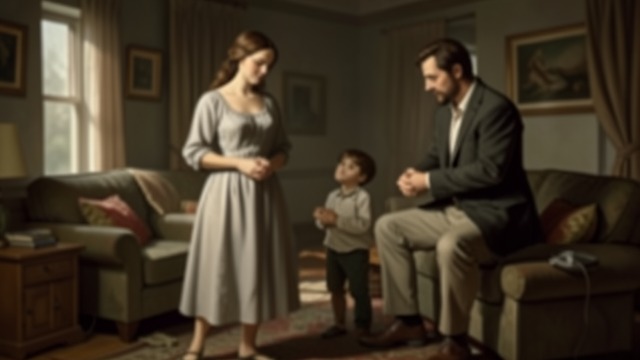
Cicada learns to participate in the routines of Kidd’s family and to present herself as a white girl. She attends social activities and manages the manners expected at dinner.
The cost of fitting in
She envies Mexican women swimming and washing in the creek, recalling forms of bodily freedom absent from her new life. Her accommodation remains effortful and incomplete.
Winter 1870, Wichita Falls
March 1870, in Dallas
March 1870, between Durand and Lampasas
After arriving in Fredericksburg
Several years after the return journey
